

 to add an item to your Itinerary basket.


.jpg "The exterior of The Observatory Science Centre, Herstmonceux")
Nestled in the heart of historic Sussex, Wealden is home to some of England’s most significant and beautiful sites. However, often overshadowed by bigger-named neighbours, the district can be quietly overlooked.
It’s all a part of what makes Wealden so unique. A treasure trove of world-class destinations set among peaceful countryside, here you can discover breathtaking places, landscapes, and stories (relatively) undisturbed.
Convinced? Thought you would be – read on to discover just some of the things you might not have known are right here in Wealden.
.jpg)
William the Conqueror’s Landing Place
Best known for the Battle of Hastings (which was in Battle, not Hastings – but that’s another story), William’s first footsteps on English soil were in Wealden, at Pevensey Bay.
Upon landing, he established a base at the former Roman fortress; and liked the place so much he built what would become Pevensey Castle. Now managed by English Heritage, the site is surrounded by some of the best-preserved Roman walls in the UK.
Its helpful audio guides takes you through its life as a fortress, castle, prison, and most recently as a WWII observation and command post.
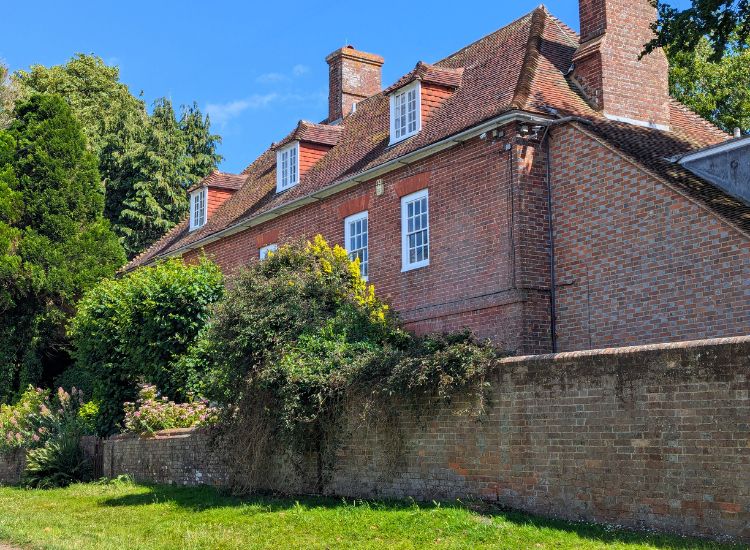
Lee Miller’s Country Abode
American model, war photographer, and topic of the 2023 film Lee starring Kate Winslet, Lee Miller lived at Farleys House with her husband, surrealist artist Sir Roland Penrose, for 35 years.
After Lee’s death, her son Anthony discovered an astonishing archive of her work hidden in the house, revealing an entirely new side to her life never seen before. Today, the Lee Miller Archives remains at Farleys House and Gallery.
It also features The Penrose Collection, a sculpture park, one of the UK’s first fitted kitchens, a tile painted by none other than Picasso – it certainly packs a lot in.
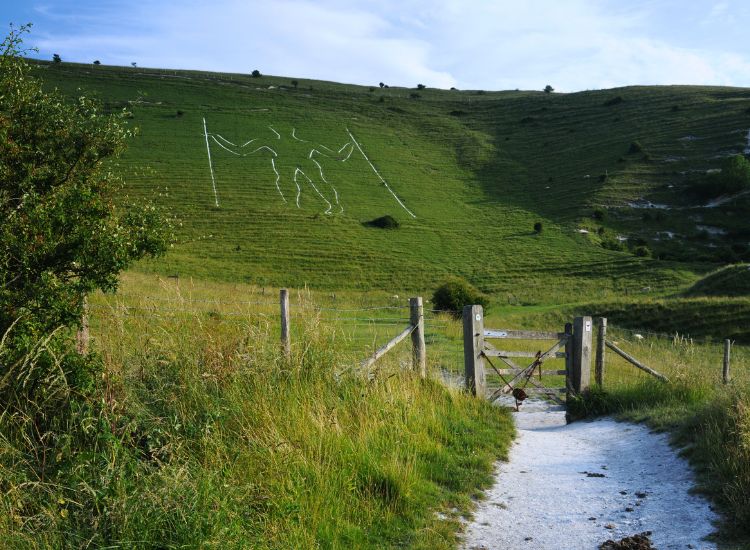
The Largest Human Figure in Europe… On a Hill
The Long Man of Wilmington – also known as the Wilmington Giant – is Europe’s largest portrayal of the human form, standing tall at 72 metres.
Mysterious and much-debated, his origins have been attributed to everyone from Romans to medieval monks. A recent investigation suggested he’s much younger than he looks, dating as late as the 17th century.
Whatever his true age, the Long Man has watched over the Weald for centuries and remains one of Wealden’s most intriguing landmarks.
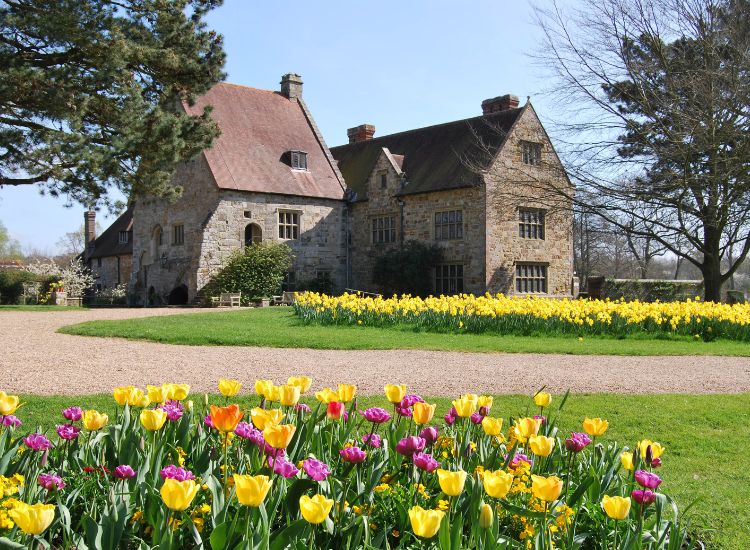
A Medieval Augustinian Priory
Hidden down winding country lanes, Michelham Priory is a stunning place of sanctuary with nearly 800 years of history.
Founded in 1229, the priory managed to (mostly) survive the dissolution under Henry VIII, then a devastating fire, to become home to evacuees and Canadian troops during WWII. The site also features an Elizabethan barn, a forge, and herb, kitchen and physic gardens, all accessed through its looming gatehouse.
Now owned by the Sussex Archaeological Society, it’s a tranquil yet fascinating hidden gem to explore.
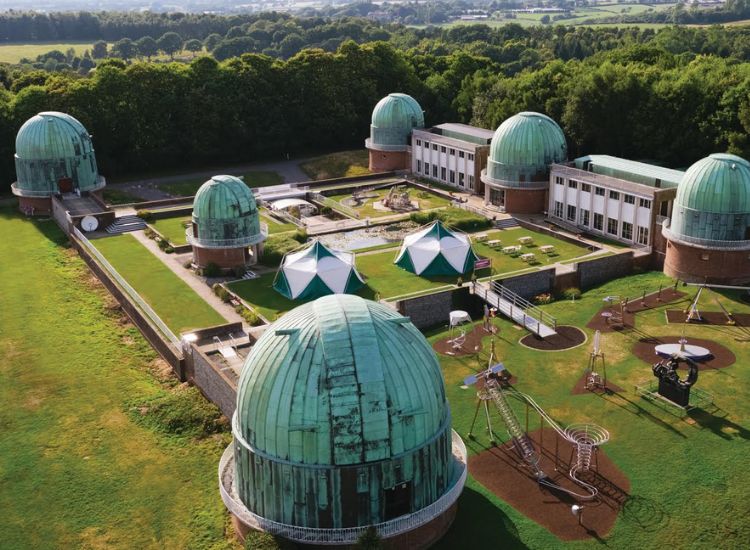
A Former Royal Greenwich Observatory
No, Greenwich isn’t in Wealden – but the Royal Greenwich Observatory once was. In 1948, light and air pollution forced the observatory to relocate from busy London to peaceful Herstmonceux.
For over 30 years, the site played a major role in astronomical research, employing more than 200 people at its peak before closing in 1990.
Today, the Observatory Science Centre continues that legacy with exhibits, planetarium shows and out-of-this-world stargazing events.
The Oldest National Trust Property
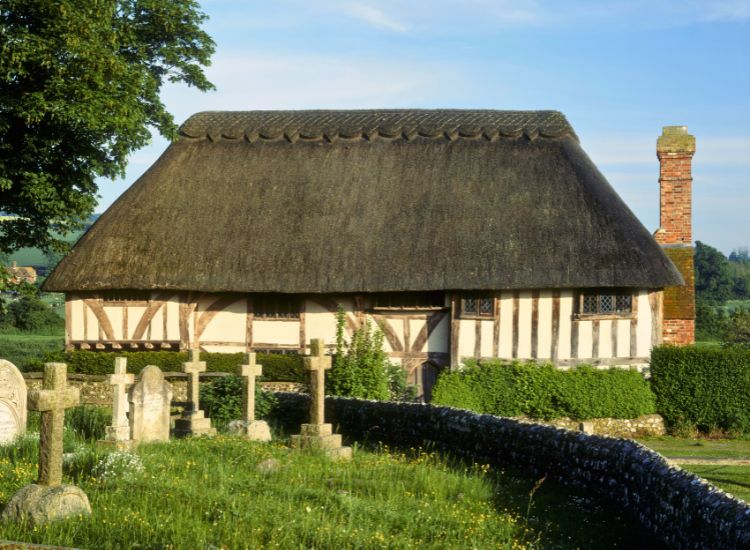
Tucked away in Alfriston village, the Clergy House may look modest, but it holds a great title: the oldest National Trust property.
Purchased in 1896 as one of the Trust’s very first restoration projects, the building dates back over 600 years and was once home to the parish priest of St Andrew’s Church.
Having passed through the hands of figures such as Thomas Cromwell and Anne of Cleves (though much like her digs in Lewes, she never lived there), it’s now a beautifully preserved example of a Wealden Hall House.
Winnie-the-Pooh’s Home
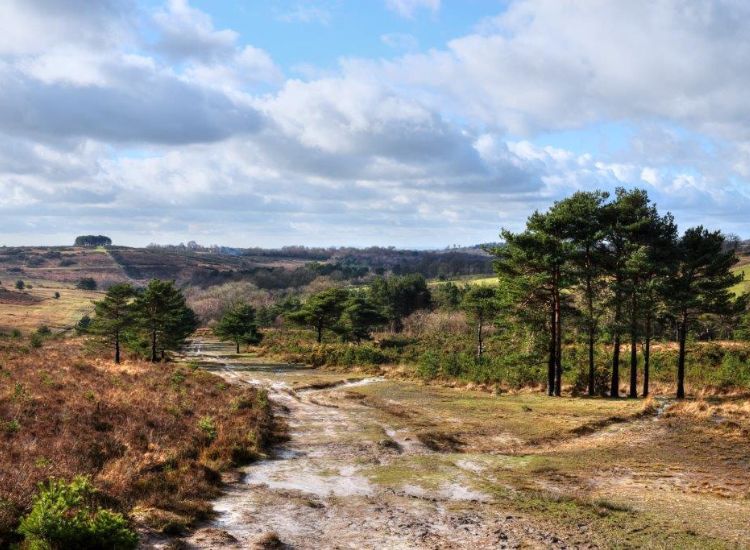
One of the world’s most beloved bears began his story in Wealden – The Hundred Acre Wood is in fact, the sprawling 6,500 acres of Ashdown Forest.
Author A.A. Milne lived nearby at Cotchford Farm and drew inspiration from walks through the forest with his son, Christopher Robin.
However, Ashdown’s history stretches back much further; its ancient woodlands having been inhabited for thousands of years, it later became a Royal Hunting Ground for Henry VIII. Today, it’s internationally protected for its rare habitats and species.
Hopefully this has given you just a small glimpse of what Wealden has to offer. If it’s sparked an urge to explore further, you’re in luck; find plenty more inspiration waiting for you on Explore Wealden.
Related

Pevensey Castle chronicles more graphically than any other fortress the story of Britain's south coast defences. It is also famously the landing place of William the Conqueror's army in 1066.
Former residence of the photographer, Lee Miller and Surrealist Roland Penrose. Now base of the Lee Miller Archives and The Penrose Collection. Open to the public on Sundays and Thursdays between April and October each year.
The mysterious guardian of the South Downs has baffled historians and archaeologists for years.
Discover 800 years of history at Michelham Priory House and Gardens, set on a picturesque moated island. Founded by Augustinian canons in 1229, the house is steeped in Sussex history, including the effects of the dissolution of the monasteries, and the pivotal role the house played during World War Two. Explore rooms filled with period furniture and artifacts, and enjoy hands-on activities for children. Stroll through seven acres of beautiful grounds, featuring the Elizabethan Great Barn, children’s playground, a medieval gatehouse, and charming herb gardens.
An interactive science centre which has been operating in the former home of The Royal Greenwich Observatory since 1995.
Rare 14th century Wealden 'hall house' was the first building to be acquired by the National Trust in 1896. Delightful cotage garden in idyllic setting by Cuckmere River.
Experience the spectacular scenery of the ancient Royal Hunting Forest. Ashdown Forest is a large open area of heathland together with pine, birch and oak woodland in the High Weald Area of Outstanding Natural Beauty. It is famous as the setting for the ‘Winnie the Pooh’ stories written by A. A. Milne. A walkers’ paradise, visitors are free to walk wherever they like with over 80 miles of footpaths. There are plenty of secluded picnic areas and car parks (parking charges apply). You will be sure to enjoy the tranquillity of this magic and mystical place. The wildlife and landscape of Ashdown Forest enjoys national and international legal protection and is a Site of Special Scientific Interes